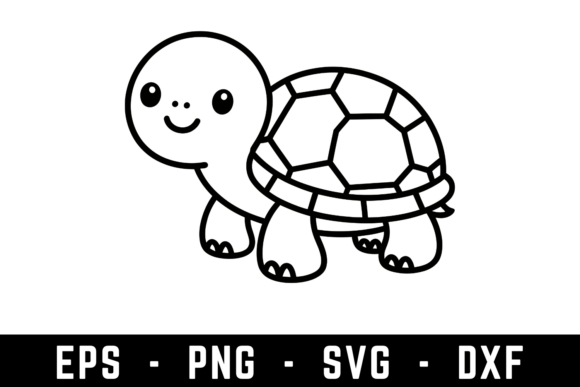
Integrating Turtle SVG Cut Files into Your Creative and Commercial Workflow
In the modern landscape of digital fabrication and handmade commerce, efficiency is not just a preference; it is a necessity. Whether you are running a small Etsy shop, managing a local print-on-demand service, or simply curating a personal collection of custom home décor, the quality and compatibility of your digital assets determine the success of your output. The Turtle Svg Svg Cut File represents more than just a graphic element; it is a foundational component in a streamlined production pipeline. By understanding how to properly integrate this asset into your existing tools and workflows, you can reduce friction, minimize material waste, and ensure consistent quality across diverse product lines.
This article explores the practical application of the Turtle SVG cut file, focusing on its role within broader creative processes. We will examine preparation strategies, software compatibility, material considerations, and long-term asset management. The goal is to move beyond simple downloading and toward a systematic approach that enhances productivity for professionals and hobbyists alike.
Understanding the Asset Structure and Compatibility
Before initiating any project, it is crucial to understand what you are working with. The listing for the Turtle SVG cut file typically includes a ZIP folder containing multiple formats: SVG, PNG, DXF, and EPS. Each format serves a distinct purpose in the digital fabrication ecosystem, and selecting the correct one is the first step in a successful workflow.
- SVG (Scalable Vector Graphics): This is the primary format for most cutting machines, including Cricut Design Space and Silhouette Studio (Business Edition). It retains vector data, allowing for infinite scaling without loss of quality. This is ideal for precise cuts on vinyl, heat transfer vinyl (HTV), and paper.
- DXF (Drawing Exchange Format): Often required for users of the basic version of Silhouette Studio or other CAD-based cutting software. It ensures compatibility where SVG support might be limited or licensed.
- EPS (Encapsulated PostScript): Best suited for professional graphic design software such as Adobe Illustrator or CorelDRAW. If you plan to modify the turtle design significantly—adding text, combining elements, or adjusting nodes—this format provides the most robust editing capabilities.
- PNG (Portable Network Graphics): A raster image format with a transparent background. This is essential for sublimation printing, direct-to-garment (DTG) printing, or use in digital mockups and web graphics where no cutting is involved.
Recognizing these distinctions allows you to prepare your files correctly before they reach your cutting mat or printer. Misidentifying the format can lead to pixelated edges, failed cuts, or unnecessary time spent converting files.
Preparation and File Management
Efficient workflow begins with organization. Upon purchasing the Turtle SVG cut file, you will receive a compressed ZIP folder. Proper extraction and storage are critical for quick retrieval during future projects. Many creators lose time searching for specific designs because they remain trapped in compressed archives or are scattered across unrelated folders.
To unzip the files, you will need software such as WinZip or 7-Zip. You can download this software for free from their respective websites. Once installed, right-click on the zip file and select “Extract All” or “Extract Here.” This action decompresses the archive, revealing the individual SVG, PNG, DXF, and EPS files in a accessible folder. For long-term usability, consider establishing a standardized naming convention and directory structure. For example, store the file under a category like "Animals/Nature/Turtle" rather than leaving it in a generic "Downloads" folder. This practice supports scalability as your library of digital assets grows.
Integration into Design and Production Workflows
The versatility of the Turtle SVG cut file allows it to fit seamlessly into various stages of product creation. Its application varies depending on the end product, but the underlying principles of preparation and execution remain consistent.
Apparel and Textile Applications
When creating T-shirts, tote bags, or hoodies, the SVG format is paramount. Import the file into your design software and resize it according to the garment dimensions. Pay close attention to the complexity of the turtle design. Intricate details may require weeding—the process of removing excess vinyl—which can be time-consuming. If the design includes thin lines or small internal shapes, consider simplifying the vector paths or using a high-quality HTV that supports detailed cuts. Always mirror your design before cutting if using heat transfer vinyl, a step that is easily overlooked but critical for correct application.
Hard Surface Decoration
For mugs, tumblers, and wood signs, durability and adhesion are key concerns. The Turtle SVG can be cut from permanent adhesive vinyl for water-resistant applications on tumblers or mugs. When applying to curved surfaces, use the "grid" method or application tape to ensure smooth placement without bubbles. For wood signs, the design can be painted using stencil techniques or cut from contrasting vinyl colors. The vector nature of the SVG ensures that whether you are creating a small ornament or a large porch sign, the edges remain crisp and professional.
Paper Crafts and Party Décor
Paper crafting requires precision. The Turtle SVG is excellent for creating layered cards, invitations, or party décor elements. In this context, the DXF or SVG format allows you to adjust cut settings for different paper weights. Cardstock, vellum, and glitter paper all react differently to blade pressure and speed. Conducting test cuts on scrap material is a recommended practice to calibrate your machine before committing to final materials. This step minimizes waste and ensures that intricate parts of the turtle design do not tear during the weeding process.
Quality Control and Consistency
Maintaining consistency across product lines is vital for brand integrity, especially for those selling handmade goods. The Turtle SVG cut file provides a standardized base, but variations can occur due to machine calibration, material differences, or software updates. Implement a quality control checkpoint in your workflow. After cutting, inspect the edges for jaggedness or incomplete cuts. If using multiple colors or layers, verify alignment accuracy. Documenting settings that work best for specific materials—such as blade depth, pressure, and speed—creates a reference library that speeds up future production runs.
Furthermore, consider the visual balance of the design in its final context. A turtle design that looks perfect on a screen may appear too dense or too sparse on a physical product. Adjust spacing and scale based on tactile feedback and visual inspection of prototypes. This iterative process refines your offering and enhances customer satisfaction.
Long-Term Asset Utilization
Digital assets are not one-time use items. The Turtle SVG cut file can be repurposed across seasons and themes. For example, combine the turtle with summer-themed text for beachwear, or pair it with holiday elements for seasonal decorations. By mastering the manipulation of the EPS or SVG file in vector editing software, you can create derivative works that expand your product catalog without requiring new purchases. This approach maximizes the return on investment for each digital asset.
Additionally, keep backups of your extracted files. Cloud storage solutions or external hard drives provide security against data loss. Organizing your files by theme, format, and usage frequency ensures that you can locate and deploy the Turtle SVG quickly when demand arises or inspiration strikes.
Conclusion
The Turtle Svg Svg Cut File is a versatile tool that, when integrated thoughtfully into your creative workflow, enhances both efficiency and product quality. From proper file extraction and format selection to material-specific adjustments and quality control, each step contributes to a professional outcome. By treating digital assets as integral components of a structured production process, you empower yourself to create consistently high-quality items for T-shirts, wood signs, mugs, tumblers, ornaments, cards, and party décor. Embrace these practices to streamline your operations and elevate your craft.